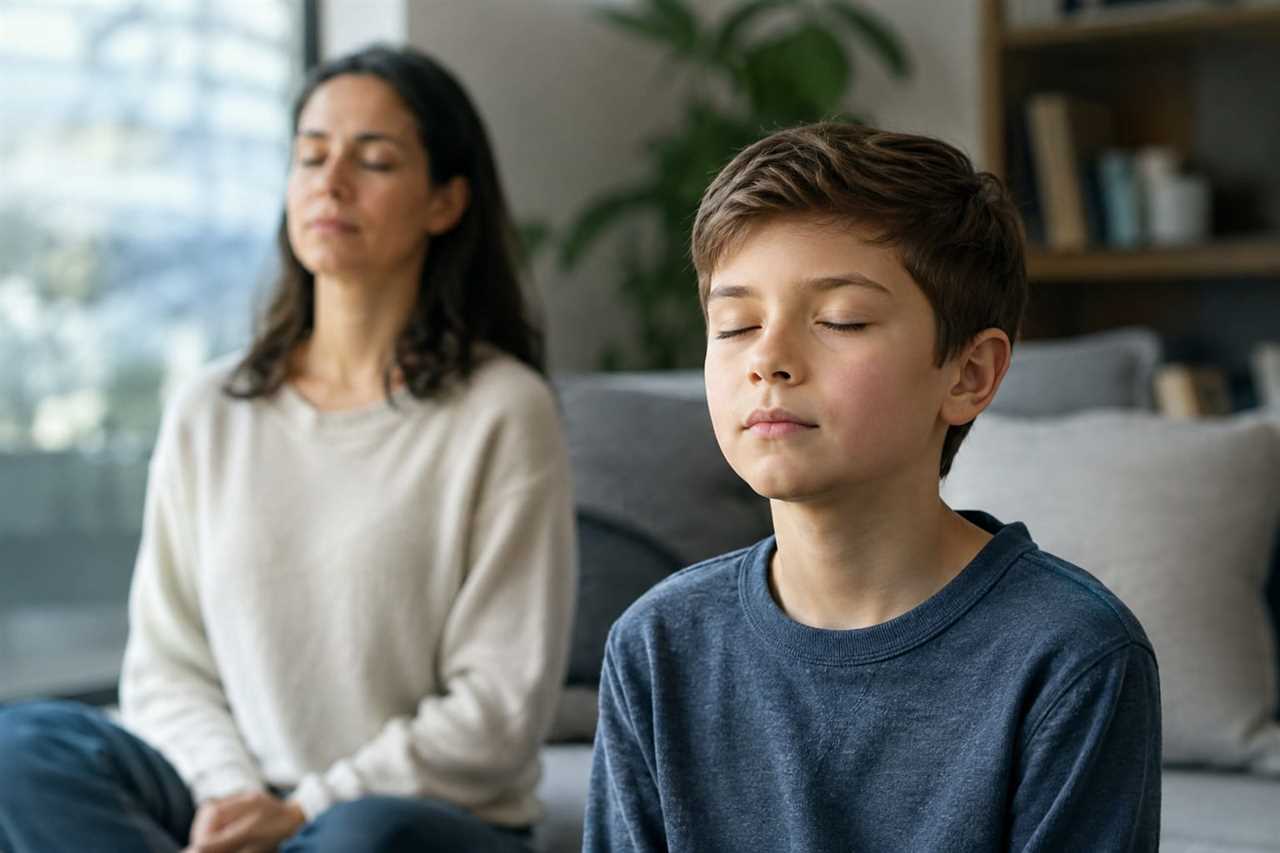
Mental exercises can help people manage anxiety and focus better, says a nonprofit called MindGym Initiative. The group shared this message on World Mental Health Day. It wants more people to think about mental health before problems start, not just after.
Quick Take
- MindGym founder Prithvi Raj Banerjee says simple mental exercises can boost focus and lower anxiety.
- He compares mental exercise to physical exercise — both need regular practice to work.
- His book outlines 12 techniques used in an 8-week program, like Belly Breathing and Bumblebee Hum.
- MindGym has run workshops since 2017, reaching thousands of kids and young adults.
- The group says attention improved in these sessions, but this is not clinical proof, not official medical research.
Why This Matters Now
Kids and young adults deal with a lot these days. Phones. Social media. Nonstop news. All of this pulls their attention in different directions.
Banerjee says this makes focus harder to hold onto. He wants people to treat attention like a muscle. You can train it. You can make it stronger.
Banerjee is not just any wellness coach. He studied at IIT (BHU) and MIT — two top tech schools. Now he works as a mindfulness coach and runs MindGym as a volunteer-led nonprofit based in the US.
"Just as physical exercise strengthens the body, carefully designed mental exercises can help train attention and emotional self-regulation," said Banerjee.
That means your brain works like your muscles. Skip the gym, and muscles get weak. Skip mental practice, and focus slips too.
The 12 Techniques, Explained
Banerjee wrote a book called Mindful Thinking: Simple Ways to Let Go of Your Anxiety, Boost Your Productivity and Rewire Your Thoughts. In it, he lays out 12 MindGym techniques. They fit into an eight-week program.
Some of the techniques have simple, memorable names. Here's a quick look at a few:
| Technique | What It Likely Helps With |
|---|---|
| Belly Breathing | Calming the body through slow breaths |
| Bumblebee Hum | Relaxing the mind with sound and vibration |
| Balanced Breath | Steadying emotions through even breathing |
| Body Radar | Noticing stress signals in the body |
| Word Anchor | Staying focused using a single word |
| Catch & Drop | Letting go of racing thoughts |
| Play & Pause | Practicing control over attention |
MindGym also uses games and biofeedback tools (tech that shows your body's stress signals in real time) to make training fun. One tool, called Mindball, is used in workshops to make attention-building feel like play, not homework.
What The Workshops Have Shown So Far
MindGym has been running these workshops since 2017. Thousands of children and young adults from different backgrounds have taken part.
The group says it saw a pattern. People who joined the sessions seemed better able to settle down and hold their focus afterward.
Observations before and after sessions showed improvement in attention — but these are not clinical evidence of treatment effectiveness, the group noted.
That's an important point. This isn't a lab study with strict medical testing. It's real-world observation from workshops. Both can be useful, but they are not the same thing.
Banerjee says proceeds from his book go toward funding free MindGym workshops. So buying the book helps pay for more free sessions for others.
Why It Matters
As more people — especially young people — struggle with distraction and anxiety, simple tools like breathing exercises and focus games offer an easy starting point. They don't need special equipment or big money. What's next is seeing whether larger, more formal studies can confirm what MindGym's workshops have shown so far.
More from us: PromZip