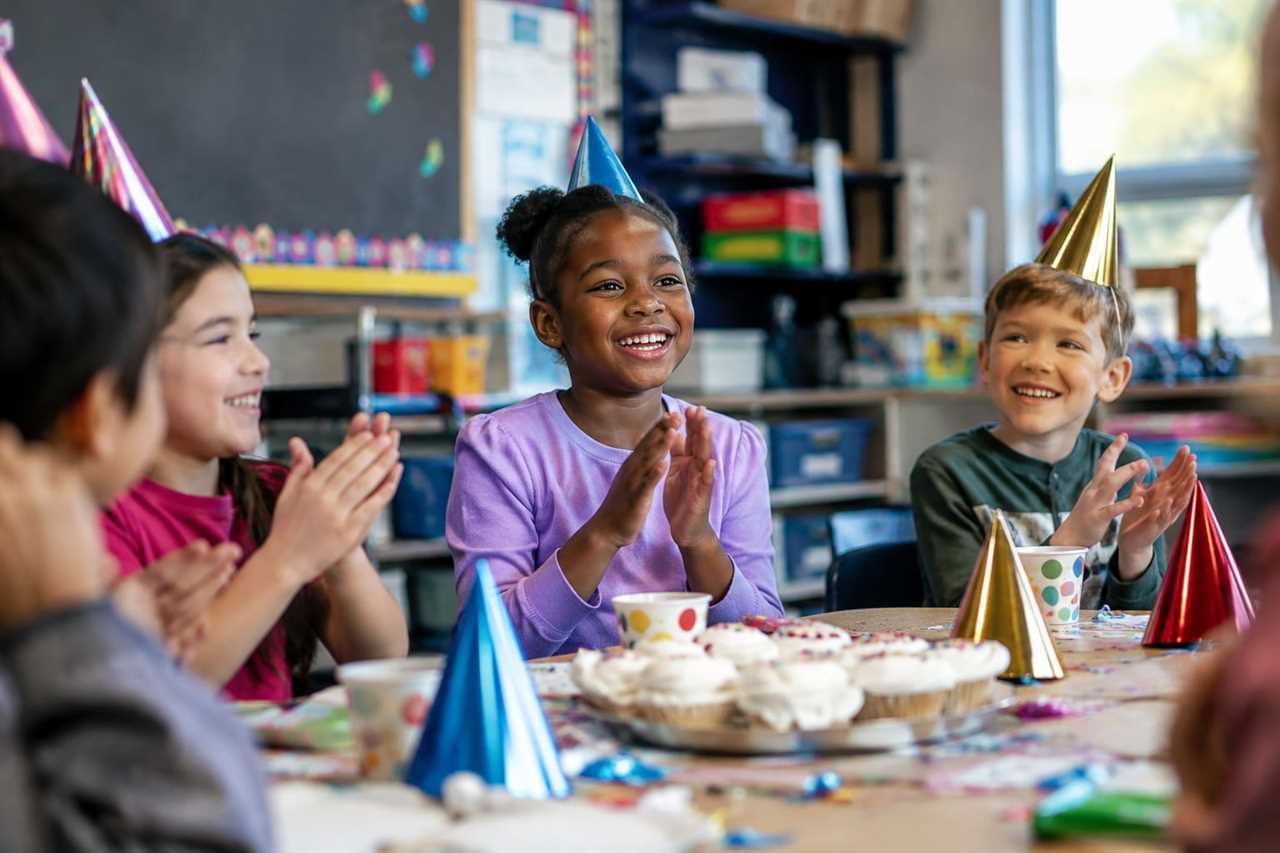
IMLAY CITY — Second graders at Weston Elementary just had a party. But nobody won a game or got a trophy. They celebrated something totally different: mistakes. The class event, called "Fail-a-Bration," is a fun way to teach kids that messing up is actually part of learning, not something to be scared of.
Quick Take
- Shelby Stoddard's second-grade class at Weston Elementary held a "Fail-a-Bration" this past week.
- Students read the book Fail-a-Bration by Brad Montague, then wore party hats to celebrate mistakes.
- Kids shared stories about their own mistakes and what those mistakes taught them.
- The lesson: even teachers and adults mess up, and that's okay.
- The goal is to build confidence, grit, and a "growth mindset" (believing you can get better with practice).
What Happened At The Party
Students in Imlay City read a book called Fail-a-Bration. It's about learning that mistakes aren't bad — they're a normal part of getting better at something.
After reading the book, the class did something unusual. They put on party hats. Then they celebrated their mistakes like a birthday.
Kids talked as a group about times they got something wrong. Then they talked about what they learned from it. The idea is simple: a mistake isn't the end of the story. It's just one step on the way to doing something right.
"Getting something wrong can be an important step toward eventually getting it right."
That's the main point of the whole party. Mistakes aren't failures. They're just practice.
Why Kids Needed This Lesson
A lot of kids feel pressure to get everything right on the first try. That pressure can make them scared to try new things at all.
During the Fail-a-Bration, students learned something important: everyone messes up. Even teachers. Even grown-ups. Nobody is perfect, not even the adults kids look up to every day.
This idea helps take the fear out of trying. If a mistake is normal, then trying something hard isn't so scary anymore.
Students shared their own stories of mistakes with the class. Classmates cheered each other on. That kind of support helps kids feel safe enough to keep trying, even when something is tough.
The Bigger Skill Being Taught
This isn't just about one fun afternoon with party hats. According to the school, activities like this build skills that go far beyond the classroom.
Here's what the Fail-a-Bration is meant to teach kids, beyond just reading a book:
| Skill | What It Means For Kids |
|---|---|
| Perseverance | Sticking with something hard instead of giving up |
| Confidence | Feeling okay trying new things, even risky ones |
| Problem-solving | Figuring out what went wrong and fixing it |
| Growth mindset | Believing skills improve with effort, not just talent |
A "growth mindset" is a simple idea: you're not stuck being bad at something forever. You can get better if you keep trying.
"Success isn't about being perfect, but about being willing to learn from challenges and keep moving forward."
That's the heart of the whole lesson. Perfect isn't the goal. Trying again is.
Who's Behind This
The event happened in Shelby Stoddard's second-grade classroom at Weston Elementary, part of Imlay City Schools. The story was submitted by Dina Tallis, the district's executive director of curriculum and instruction.
Teachers like Stoddard are finding creative ways to teach more than just reading and math. Lessons like the Fail-a-Bration also teach kids how to handle setbacks, which is a skill they'll use their whole lives.
Why It Matters
Kids who learn early that mistakes are normal tend to take more risks and bounce back faster when things go wrong. That's a skill that helps far beyond second grade — in school, in sports, and later in jobs and relationships. A party hat and a good book might seem small, but the lesson behind the Fail-a-Bration sticks with kids long after the hats come off.
Source: Tri-City Times
See also our earlier piece: A Neuroscientist Says "Manifestation" Is Real Science — Here's How It Works